What a well actually costs in Permian, phase by phase
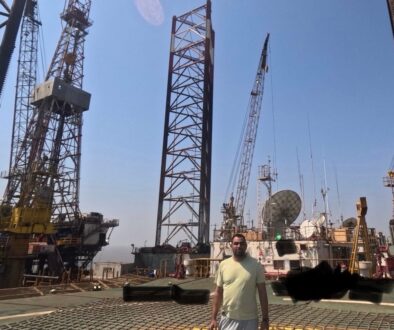
A pad in Martin County sits under floodlights at two in the morning. Three tanks of frac fluid
queue behind the blender. A company man stands over an AFE printout with a highlighter, and the number he keeps circling is not the number anybody in Houston asks him about the next morning. Houston asks about the rig day rate. He is watching the pump schedule.
This issue exists to close that gap properly, with the actual dollars attached to each phase instead of a single headline well cost figure. Every number below is drawn from public sources and cited at the end. Where a figure is dated or a range is wide, that is stated plainly rather than smoothed over.
Phase one, geology and seismic
Before any lease gets signed, the rock has to be mapped. A 3D seismic survey onshore in Texas runs somewhere between $40K-$100K per square mile, with public references clustering around $75K per square mile as a working average. A meaningful survey covering a multi well development area can therefore run into the millions before a single acre is leased. This spend is invisible on any individual well’s AFE because it is amortised across an entire development block, but it is real cash that left the building first.
Phase two, land and leasehold
Leasehold cost in the Permian has ranged from $10K-$30K per net mineral acre in normal market conditions, with premium acreage in Lea and Eddy counties on the New Mexico side running $12K-$28K per net mineral acre. In hot pockets that number has gone materially higher. A single Eddy County parcel sold at a New Mexico State Land Office auction in 2025 for over $132K per acre. A standard 1,100-2,000 acre spacing unit at even a conservative $15K per acre puts land cost for the unit into eight figures before drilling starts, spread across however many wells that unit eventually supports. This is the cost that never appears in a headline well cost number, because published well cost figures explicitly exclude land.
Phase three, permitting and site civil works
Permitting fees are a rounding error, typically thousands of dollars per well. The real cost in this phase is physical. Building the access road and grading the pad, the bulldozer and excavator work that turns raw caliche into a level surface roughly two thirds the size of a football field, commonly exceeds $400K per location. Multi well pad design has become standard specifically to spread this cost across several wells instead of paying it once per well, which is one of the quieter efficiency gains of the last decade that gets far less attention than lateral length.
Phase four, drilling, tangible and intangible
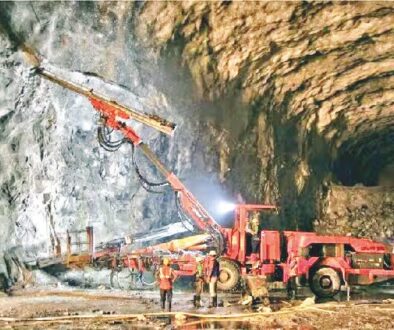
This is where the well actually goes into the ground. Drilling cost splits into tangible drilling cost, casing, wellhead, tubulars, and intangible drilling cost, labor, drilling fluid, fuel, site services consumed during the drilling process itself. Industry wide, intangible drilling cost commonly represents 65%-80% of total well cost, which is also why the tax treatment under IRC Section 263 makes such a difference to operator economics. On a blended drilling and completion basis, Permian Resources reported costs of roughly $700 per lateral foot in the fourth quarter of 2025, guided down to $675 per foot for 2026. On an 11,000 foot lateral, typical for 2026 guidance, that blended figure alone comes to roughly $7.5M for drilling and completion combined. Older per foot drilling only figures from 2018, when Permian drill cost ran near $143 per foot versus $245 per foot a few years earlier, are dated and should not be quoted as current, but they still illustrate how much of the last decade’s cost reduction came from the drilling phase specifically before completion design changes took over as the bigger lever.
Phase five, completion
Completion is now the larger half of that blended figure on most modern Permian wells, and proppant is the single biggest swing item inside it. Proppant has historically represented as much as 30% of total completion cost. The shift from railed in Northern white sand to locally mined Permian brown sand has been documented to cut proppant cost by more than 50%, which is one of the largest and least publicised cost reductions in the basin’s history. Water is the other major completion input. A modern Permian frac job commonly uses 10M-15M gallons of water per well, sourced through a mix of groundwater rights, surface water, and increasingly recycled produced water, each with its own transfer, hauling, and disposal cost stack. Once the well is online, produced water becomes a permanent operating cost rather than a one time completion cost, running 3-7 barrels of water for every barrel of oil produced over the well’s early life, and disposal well capacity in parts of the Permian has tightened enough that this is now a scheduling constraint, not just a line item.
Phase six, facilities and tie in
Separators, tank batteries, flow lines, and the connection into gathering infrastructure typically account for 2%-8% of total well cost, generally several hundred thousand dollars per well, according to EIA cost studies. This number shrinks per well as more wells share a single pad’s facilities, which is the same multi well pad logic driving down civil works cost in phase three.
The roll up
Put the phases together and a modern Permian Delaware or Midland well, drilling and completion only, lands in the $9M-$10M range per published basin cost comparisons. That figure excludes land, which per the phase two math can add anywhere from a few hundred thousand to several million dollars depending on when and where the acreage was picked up, and excludes facilities and tie in cost layered on separately in phase six. A single number quoted without specifying which of these phases are included is not wrong exactly, it is just answering a different question than the one most readers think they are asking.
The insight veterans keep underweighting
Here is the piece that should reward a careful read. The phase that gets the least public attention, land, is frequently the phase with the widest variance and the largest long run impact on breakeven price. Pioneer’s Wolfcamp B wells in Martin County carried a breakeven oil price near $21/bbl including land acquisition cost on legacy acreage. A newer entrant paying current market rates for the same rock, modeled against 2016 land price data, faced a breakeven closer to $31.50. That $10/bbl gap is not a drilling efficiency gap or a completion design gap. It is entirely a land cost gap, locked in the day the lease was signed, years before the rig ever showed up. Anyone comparing two operators’ well economics without asking when each of them acquired their acreage is comparing two different businesses as though they were the same business.
The second underweighted piece is that facilities and tie in, the smallest phase in percentage terms, is disproportionately the phase that determines whether a well makes money on schedule. A well can be drilled and completed on budget and still sit shut in for weeks waiting on a gathering line connection or disposal well capacity, converting a completed asset into a stranded one for exactly as long as that infrastructure gap persists. The dollar figure in phase six looks small. The optionality it buys or costs is not small at all.
Sources
Onshore 3D seismic survey cost ranges, JOUAV seismic survey guide and Erie County, Colorado seismic testing FAQ. Permian net mineral acre leasehold ranges, Mineral Royalties Group 2026 state by state guide and New Mexico State Land Office auction reporting, August 2025. Pad and access road construction cost, Tidal Petroleum drilling cost breakdown. Intangible drilling cost share of total well cost, BassEXP oil well drilling cost breakdown. Permian Resources fourth quarter 2025 results and 2026 guidance on drilling and completion cost per lateral foot, company release via Barchart and Yahoo Finance. Historical 2018 Permian per foot drilling cost, Pheasant Energy. Proppant share of completion cost and in basin sand cost reduction, AOGR Frac Facts and Drilling Contractor. Permian frac water volumes and produced water ratios, Oilfield Water Logistics field guide. Facilities cost share of total well cost, U.S. Energy Information Administration, Trends in U.S. Oil and Natural Gas Upstream Costs. Permian Delaware and Midland well cost range and Pioneer Wolfcamp B breakeven including land cost, Incorrys basin cost data and Williams Ranch Group Permian land pricing analysis.