What It Actually Costs to Move a Jackup Rig
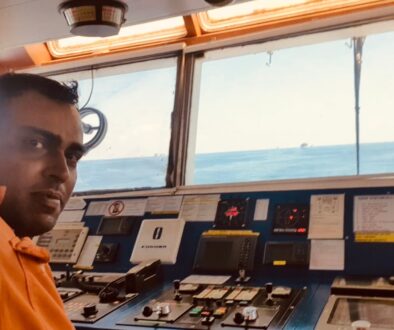
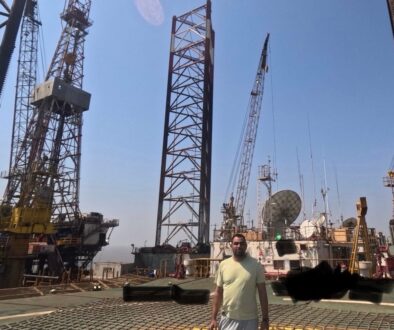
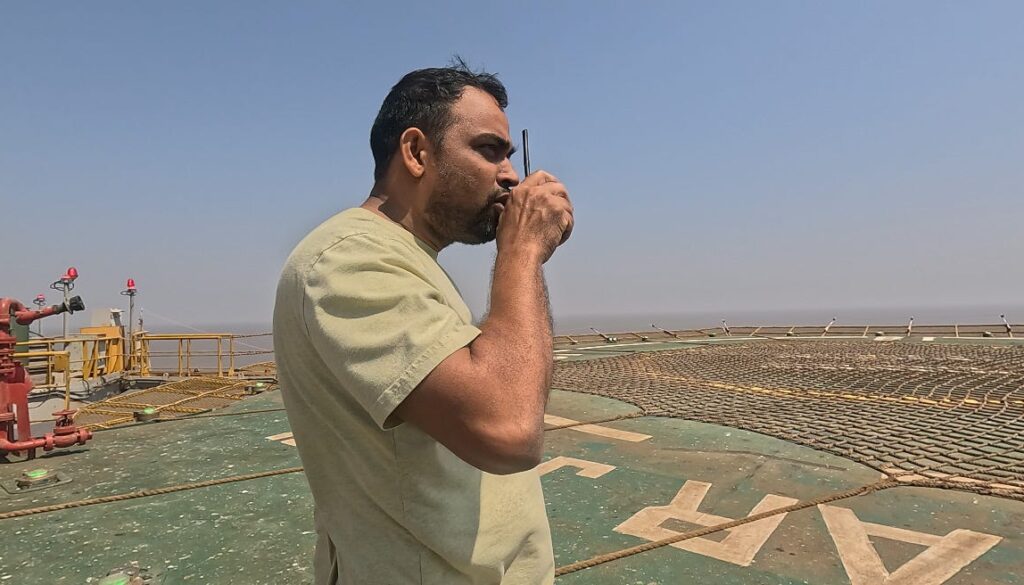
The first time I stood on a jackup during a tow, the legs were up, the hull was riding the swell
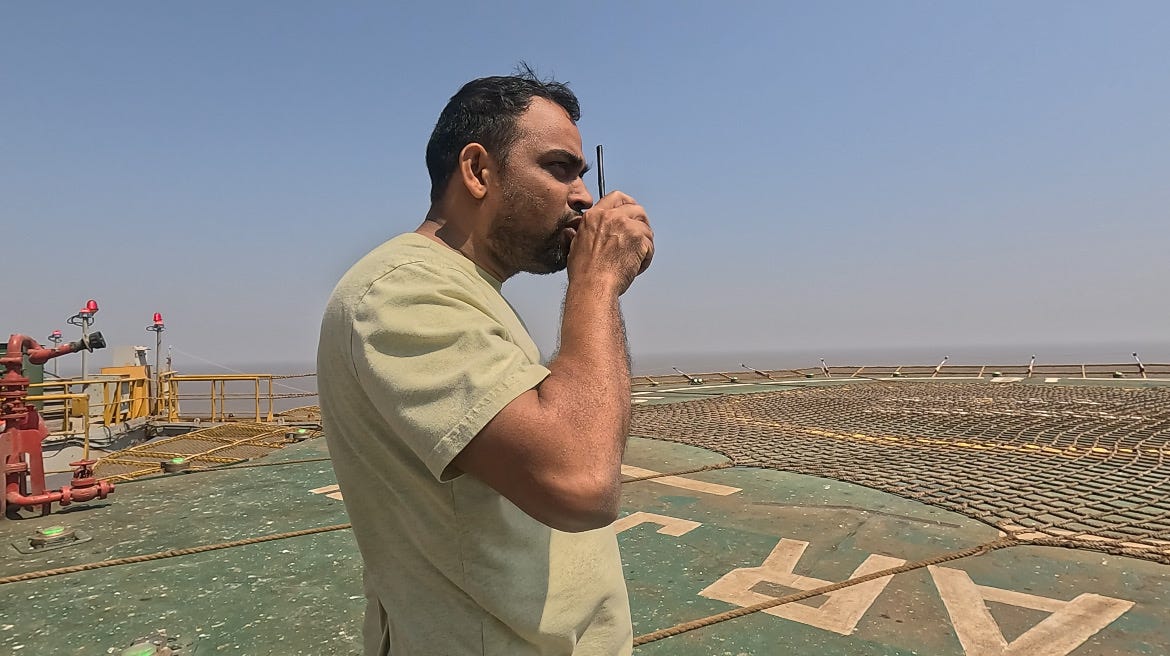
like any other vessel, and every number I had ever seen on a rig move budget suddenly made sense in my stomach. A jackup at sea is not a platform. It is a $150M asset with retractable legs, entirely dependent on a weather window, a class surveyor’s signature, and a tow master who has done this a hundred times and is still nervous. That gap between the spreadsheet and the swell is where the real cost of a rig move lives.
Most people outside the industry think moving a rig is a shipping problem. Point A to point B, charter a tug, done. It is not. A rig move is six separate cost centers stacked on top of each other, and the Middle East right now is the best place in the world to see all six stacked at once. The region holds around 36% of global jackup supply, according to Westwood’s RigLogix, and Saudi Aramco alone is running an Increment Program targeting over 200 offshore wells. Westwood also flagged close to 56 rig years of tender demand moving through the Arabian Gulf as of early 2026. That is not a market growing at the margins. That is a fleet migration.
The six phases, in order
Route survey and engineering comes first. Before a rig moves an inch, a marine engineer maps water depth, seabed soil conditions at the new location, and tow route hazards. Get the soil data wrong and the rig cannot jack up safely on arrival, which turns a mobilization into a legal dispute. This phase is cheap relative to the rest, but it is the phase every other cost depends on.
Marine warranty survey and class approval comes next, and this is where I have spent most of my career. A surveyor from a house like ABL or Noble Denton has to independently certify the tow plan, the ballast condition, and the securing arrangements before insurers will underwrite the move. Nothing moves without this signature. It is not a formality. It is the point where an engineer with no financial stake in the schedule can stop a rig owner from cutting a corner that a charter deadline is pushing them toward.
Tow or self propulsion charter is the cost most people assume is the whole story. For a self propelled jackup it is fuel and crew time. For a barge tow it is a separate tug charter, priced by day and by horsepower needed for the specific hull and distance. This is real money, but on a Gulf move it is rarely the largest line.
Yard prep and regional compliance upgrades follow, and this is where fleet age starts to matter. A rig coming into Saudi Arabia or the UAE from another basin often needs recertification work, equipment upgrades to meet local specification, and sometimes a full shipyard period before the client will accept it. Borr Drilling’s own fleet updates show contracts commencing only after this work clears, which is why mobilization revenue gets invoiced as a separate lump sum rather than folded into day rate.
Weather standby is the cost nobody budgets honestly. A tow window in the Gulf can close for days at a time, and every day the rig sits waiting is a day burning charter cost with zero drilling revenue against it. Field crews know this. Spreadsheets built in an office three time zones away tend to forget it.
The lump sum mobilization fee is the number that actually lands on a contract. Aramco’s contractor awards have historically carried mobilization fees ranging from $15M to $35M per rig, layered on top of day rates in the high tens of thousands per day. That range comes from 2022 contracting data and should be read as a structural baseline rather than today’s exact price, since day rates and mob fees have moved with the market since. What has not moved is the mechanism. Borr Drilling’s own 2025 filings show the company invoicing approximately $48M in lump sum mobilization revenue from just two rigs, Arabia I and Vali, commencing long term contracts. That is $24M average per rig, arriving before a single day of drilling revenue is earned. The tow itself is often the smallest number in the stack. The mobilization fee is the real cost of entry.
The counterpoint nobody writes about
ADNOC took a different approach entirely. Its newer island rigs in the Zakum field are built with walking systems that move the rig between well slots without dismantling it. ADNOC Drilling operates 47 offshore rigs and has been awarding jackup contracts in the $1.15B to $1.63B range through 2025, and part of that capital is going toward rigs engineered to remove the mobilization cost problem rather than pay it. The most capital rich national oil company in the Gulf looked at everything above and decided the cheapest mobilization fee is the one you never have to pay again.
Kuwait Oil Company tells a different story again. KOC is targeting a 212 rig fleet and 258 wells in fiscal 2025 to 2026, but it deferred its own multi rig jackup tender submission deadline to 1 June 2026, alongside a similar delay from Aramco, tied to regional security risk. That deferral happens before any mobilization fee gets negotiated. War risk and insurance repricing can stall a rig move before the marine warranty surveyor ever boards the vessel.
Stress test
Take a mid tier jackup moving into the Gulf from a stacked position elsewhere. Route survey and engineering, call it $500K. Marine warranty survey and insurance approval, another few hundred thousand. Tow charter across a multi week transit, several million depending on distance and horsepower. Yard prep and regional recertification, anywhere from a few million to well over ten depending on rig age. Weather standby, unpredictable, and in the Gulf’s shifting security environment in 2026, less predictable than it has been in a decade. Layer the $15M to $35M lump sum mobilization fee on top, and a single rig move can run tens of millions of dollars before the bit ever touches rock. None of that shows up in the headline day rate anyone quotes on a panel discussion.
Close
Everyone prices the drilling. Almost nobody prices the arrival. A jackup rig earning $150,000 a day looks like a simple asset until you have stood on one mid tow, watched the surveyor’s face while he reads a weather forecast, and understood that the real capital decision was made months before the rig ever spudded a well. The Gulf is about to move more steel than any region on earth over the next two years. The operators who understand that the mobilization fee is not overhead, it is the entry price of the whole business, are the ones who will not get caught by the invoice that arrives before the revenue does.