What a well costs in Western Offshore
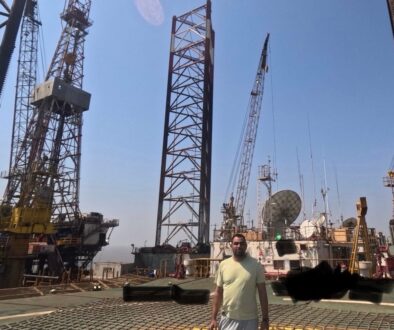
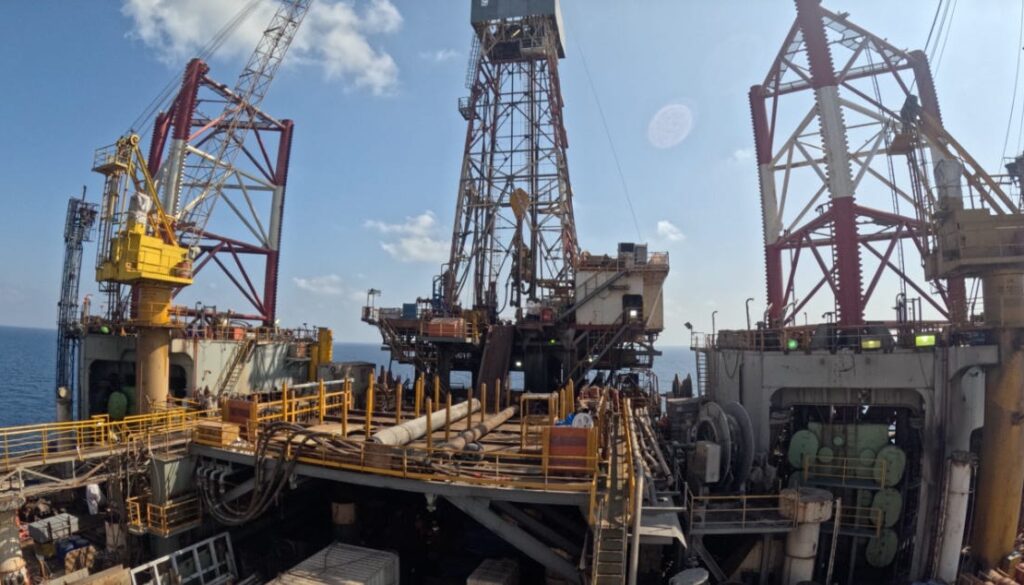
A jackup rig stands jacked up in seventy five metres of water off Mumbai High, legs
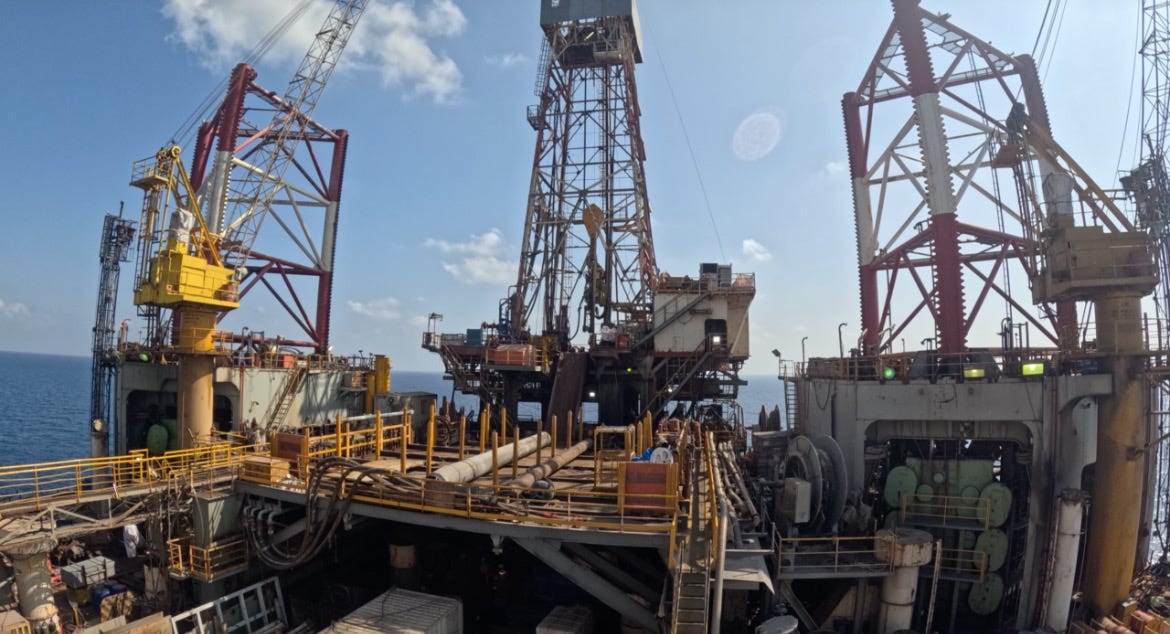
punched into the seabed, the tow tug that brought it there long since released. Nobody on the crew is thinking about the AFE right now. They are thinking about the twelve hours it will take to run casing through a shallow gas zone that has bitten wells before. That twelve hours, multiplied across a drilling campaign, is where a Western Offshore well quietly becomes an expensive well, and almost nobody outside the rig floor understands why.
Onshore, the rig itself is a minor character in the cost story. Offshore, the rig becomes the whole story, and the public record on ONGC’s own shallow water operations proves it in a way most industry commentary never bothers to check.
The rig is not a line item here, it is the budget
A published engineering study out of ONGC’s Western Offshore Basin geology group, examining more than forty planned exploratory wells, found that drilling rig operating cost alone accounts for seventy five to eighty percent of total well cost in shallow water. Drilling materials, support services, and other contractual services make up the remaining twenty to twenty five percent. That study dates to 2013, and a search for a more recent public equivalent turned up nothing that replaces or updates its numbers. Rig markets, contracting structures, and drilling technology have all moved since then, so these ratios are best read as a structural starting point rather than a current benchmark. Still, the underlying logic they capture, that offshore day rate dominates the cost stack in a way onshore never does, has no reason to have reversed even if the exact split has shifted. Onshore in Texas, the rig is a sixth of spend and completion dominates. Offshore in the Arabian Sea, there is often no completion phase remotely comparable in intensity, and the rig eats nearly everything.
This is the first thing that separates offshore cost thinking from onshore cost thinking, and it is the reason importing a shale mental model onto a jackup campaign produces a badly wrong forecast every time.
Mobilisation is a cost category onshore does not have
An onshore rig walks or gets trucked to the next pad. An offshore jackup has to be towed or has to self propel across open water, sometimes from a shipyard in the Middle East or Southeast Asia, before a single foot gets drilled. Mobilisation and demobilisation charges are negotiated as a separate line in the contract precisely because they can consume weeks of day rate before the rig ever spuds. On a short campaign, mob and demob can rival the drilling phase itself in cost per well. This is invisible to anyone reading a headline day rate and assuming that number is the whole story.
Logistics never stops running
A land rig has a gate and a gravel road. A jackup has a helicopter pad and a supply boat schedule. Crew changes, food, fuel, drilling fluid, and standby vessels for emergency response all move by air or by sea, continuously, for the life of the campaign. None of this shows up as a proud metric in an investor deck. All of it accrues daily whether the bit is turning or not, which is exactly why offshore operators watch non productive time with a level of paranoia onshore operators would find excessive.
Non productive time is not a footnote, it is a third of the calendar
The same ONGC study, again from 2013 with no newer public equivalent found, put average annual NPT on completed wells near thirty percent. Read that number slowly, and read it as a historical marker rather than today’s scorecard. Not thirty percent on a bad well. Thirty percent as the average across the portfolio at the time of that study. Stuck pipe, weather standby, equipment failure, well control incidents in shallow gas zones, each one burns rig day rate at that seventy five to eighty percent cost weighting with zero incremental depth to show for it. Whatever the exact figure runs today, the mechanism has not changed. Onshore, an operator losing a third of calendar time to NPT would be fired. Offshore in shallow water, that level of tolerance has historically been closer to the cost of doing business, which tells you the entire economic model offshore is built around a patience for delay that shale operators were trained out of a decade ago.
The insight veterans keep underweighting
Here is the piece that should make a Western Offshore hand sit up. The global jackup market has been moving through 2026, with disclosed shallow water day rates in the high nineties of thousands of dollars against a wider global average near one hundred twelve thousand nine hundred dollars. Public reporting on India’s shallow water rig tenders through the same window shows how fast that reference price can move between a tender floated and a tender awarded. A campaign budgeted against last year’s day rate assumption can find the ground shifted under it by the time the rig mobilises, and that single macro variable, the prevailing market day rate at contract signing, can move Western Offshore well cost by a wider margin than any drilling efficiency gain a crew delivers on the floor. Rig market timing, not rig floor performance, is the biggest lever nobody on the drill floor controls.
The second underweighted piece is what does not appear in any well cost figure at all. Site survey and soil investigation ahead of jackup placement exists specifically to prevent punch through, a leg suddenly penetrating a weaker sediment layer after apparent preload success, an incident that has destroyed rigs and killed crews elsewhere in the world. That survey cost is trivial against the value it protects, because its payoff is the disaster that did not happen.
Stress test
Run a Western Offshore campaign through the same three shocks and watch which assumptions break first.
A rig market tightening globally, the exact pattern already visible in the fifty five thousand versus ninety seven thousand seven hundred fifty dollar gap, turns a fixed price AFE into a moving target the moment the previous tender expires and a new one has to be floated at a higher clearing price.
A shallow gas kick during casing, the specific hazard that keeps a Mumbai High drilling supervisor awake, converts hours into days of NPT at full rig cost weighting, and because rig cost is seventy five to eighty percent of the well, that single incident can move total well cost by a margin no onshore operator would recognise from an equivalent event.
A mature field redevelopment, the kind ONGC has run in phases across Mumbai High North and Mumbai High South, layers sidetracking cost, new well cost, and surface facility cost into a single sanctioned capital figure, and because all three move together, a facilities delay anywhere in the chain stalls wells that are otherwise ready to produce.
The inversion
Onshore, the industry has spent a decade obsessing over cost per lateral foot because completion is where the money moved. Offshore in shallow water, the obsession is misplaced the moment it gets copied over, because here the rig itself is the budget and the calendar is the enemy. The Permian question is what you pump into the ground. The Western Offshore question is what you are paying for every single day the rig sits idle, jacked up, waiting, at seventy five percent of total well cost, doing nothing at all.