How much a Jackup Rig Costs?
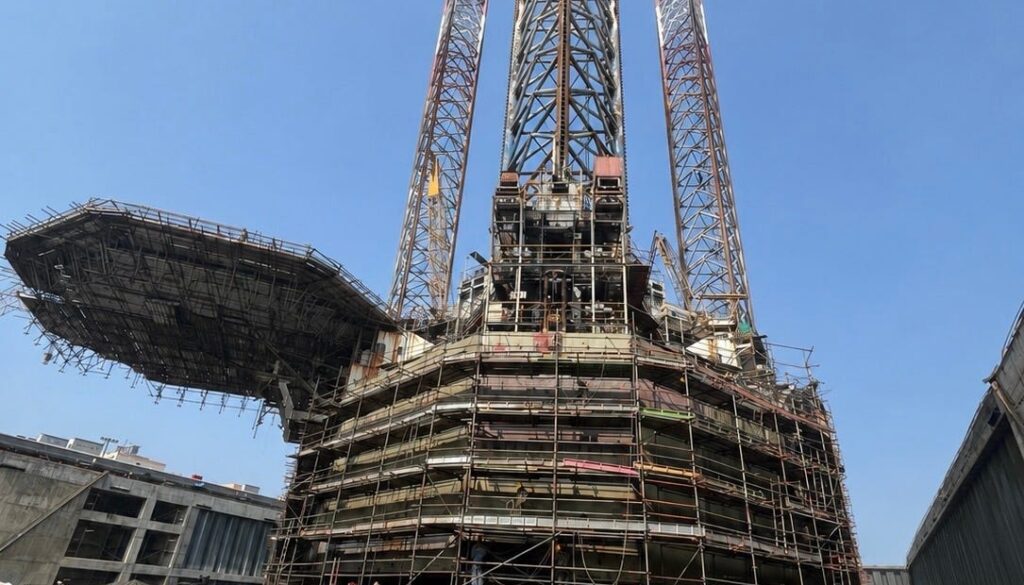
I stood in a dry dock in front of three hundred and fifty tonnes of steel legs and a hull the
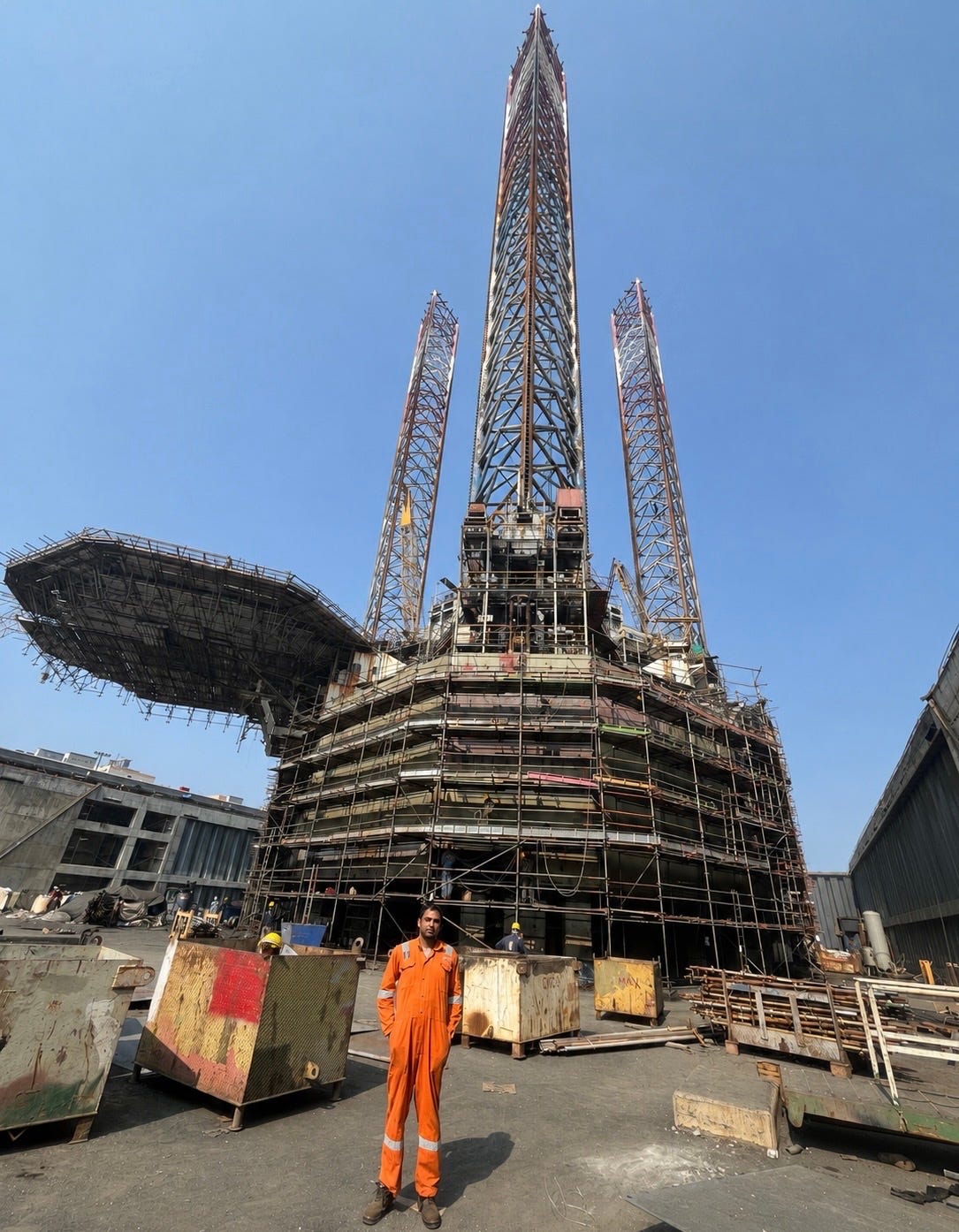
size of a football field, and the number that kept running through my head was not the water depth rating or the drilling package specs. It was two hundred and fifty million dollars. That is the low end of what it costs today to build a modern jackup rated for four hundred feet. The high end is three hundred million. Delivery, if the yard is honest with you, runs up to two and a half years.
In 2007, a Singapore yard would have quoted you the same rig class for a hundred eighty to a hundred ninety million dollars. Run the math and that is roughly a sixty percent increase in less than two decades, on a piece of equipment whose job has not changed since the day it was invented. It still stands on three legs in shallow water and drills a hole. The physics is identical. The price is not.
I want to walk you through why, because the answer is not inflation in the way most people use that word. It is a cost stack, and every layer of that stack tells you something different about who controls offshore construction today.
Louisiana State University’s Center for Energy Studies built a benchmark for a three hundred seventy five foot rig, published through Oil and Gas Journal, and it breaks the rig into six pieces. The rig kit, the structural package that becomes the actual platform, runs twenty five to forty five million dollars. The drilling equipment, the top drive, the mud system, the blowout preventer stack, runs twenty to fifty million. Steel for the hull and legs runs fourteen to thirty seven million. Power and electrical systems run three to six million. The remaining materials, everything from paint to piping to accommodation modules, run thirty three to forty one million. The yard keeps a profit margin of five to ten percent on top of all of it.
Then there is labour, and labour is where the story stops being about steel and starts being about geography. Shipyard labour on that same benchmark rig runs fifty one to sixty nine million dollars, and at a United States yard that labour line alone eats roughly thirty percent of total cost. At a Chinese yard, the same labour line eats roughly ten percent. Add the six pieces together and the LSU benchmark rig totals a hundred sixty four million dollars. Compare that to what a rig actually costs to build today, two hundred fifty to three hundred million, and the gap is not explained by steel prices or drilling equipment. It is explained by where the yard sits on the map and how few yards are left standing.
That scarcity is not theoretical. Borr Drilling picked up a stranded newbuild, Hull B378, for a hundred twenty two million dollars. The original order price on that same hull was close to two hundred forty million. Somebody walked away from that contract, the yard was left holding a half finished asset, and a disciplined buyer picked it up at roughly half of replacement cost. That is the entire jackup market compressed into one transaction. New construction at full price is a bet on a tight yard market holding tight for two and a half more years. A stranded newbuild at half price is a bet that someone else already took the risk and paid for your discount.
Here is the stress test. Assume day rates soften over the delivery window, which is not a hypothetical, it is the base case every operator plans around. A rig ordered today at two hundred seventy five million dollars needs years of elevated day rates just to clear its own construction cost before it earns a return. A rig like Hull B378, picked up at a hundred twenty two million, clears that same hurdle at less than half the day rate, for less than half the time. The newbuild buyer is underwriting two and a half years of yard risk, currency risk, and market risk on top of the equipment itself. The distressed buyer is underwriting none of that. They are buying a finished asset from someone else’s mistake.
This is why the jackup market has not seen a real construction wave since the last cycle collapsed. Every operator with capital discipline is doing the same math I just did, and the math says wait for the next stranded hull before you sign a newbuild order. The yards know this too, which is exactly why so few of them are still building jackups at all. Singapore’s fleet of active offshore yards is a fraction of what it was in 2007. China has absorbed most of what remains, and China’s labour cost advantage is now structural, not cyclical.
Label for this one, in the tradition of every other company I have put a name to in this newsletter: new construction compounds. Not the rig. The cost of building it, every year the yard base keeps shrinking and the labour arbitrage keeps widening.
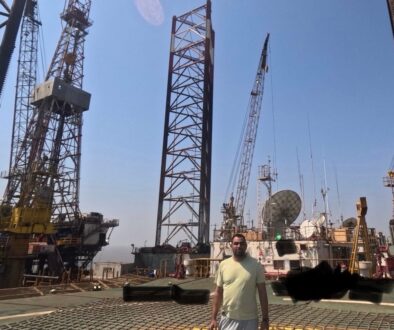
I have stood next to enough of these rigs over thirteen years to know what a hundred sixty four million dollars of steel and equipment looks like in real life. What I was standing next to this time cost the yard almost double that to build, and the operator who ordered it is betting the market will pay for the difference. Sometimes that bet works. Sometimes you end up as Hull B378, sold at half price to a buyer who did the arithmetic I just did for you.
Sources: Westwood Global Energy Group RigLogix, S&P Global Commodity Insights, Louisiana State University Center for Energy Studies cost model published through Oil and Gas Journal.